Not every solar battery keeps your home powered in a blackout. Backup depends on how the system is designed, wired and set up. Here’s what to check before Queensland’s storm season.
The storm rolls through. The lights flicker. Then the street goes dark.
If you have solar panels and a battery, you might expect your home to carry on as normal.
Sometimes it does. Sometimes it doesn’t.
Whether your home keeps power during an outage isn’t decided simply by owning a battery. It’s decided by how the system was designed, configured and wired.
The Bureau of Meteorology identifies October to April as the peak period for severe weather. That makes now a good time to find out which kind of system you have.
Why Solar Panels Switch Off When the Grid Goes Down
Here’s the part that surprises many people.
A standard grid-connected solar system stops supplying your home during a blackout, even on a sunny day.
That’s deliberate. Under Australian Standard AS/NZS 4777.2, grid-connected inverters must disconnect when the grid fails. This is known as anti-islanding protection.
The reason is safety. While the network is down, line crews may be working on the wires in your street. If your system kept sending electricity into those lines, it could put them at risk.
So solar on its own won’t keep your lights on. To do that, the system needs a way to safely separate your home from the grid and run it independently.
A Battery Alone Isn’t a Backup Plan
Many home batteries are capable of providing backup. But being capable of it isn’t the same as being set up for it.
For backup to work, a system generally needs:
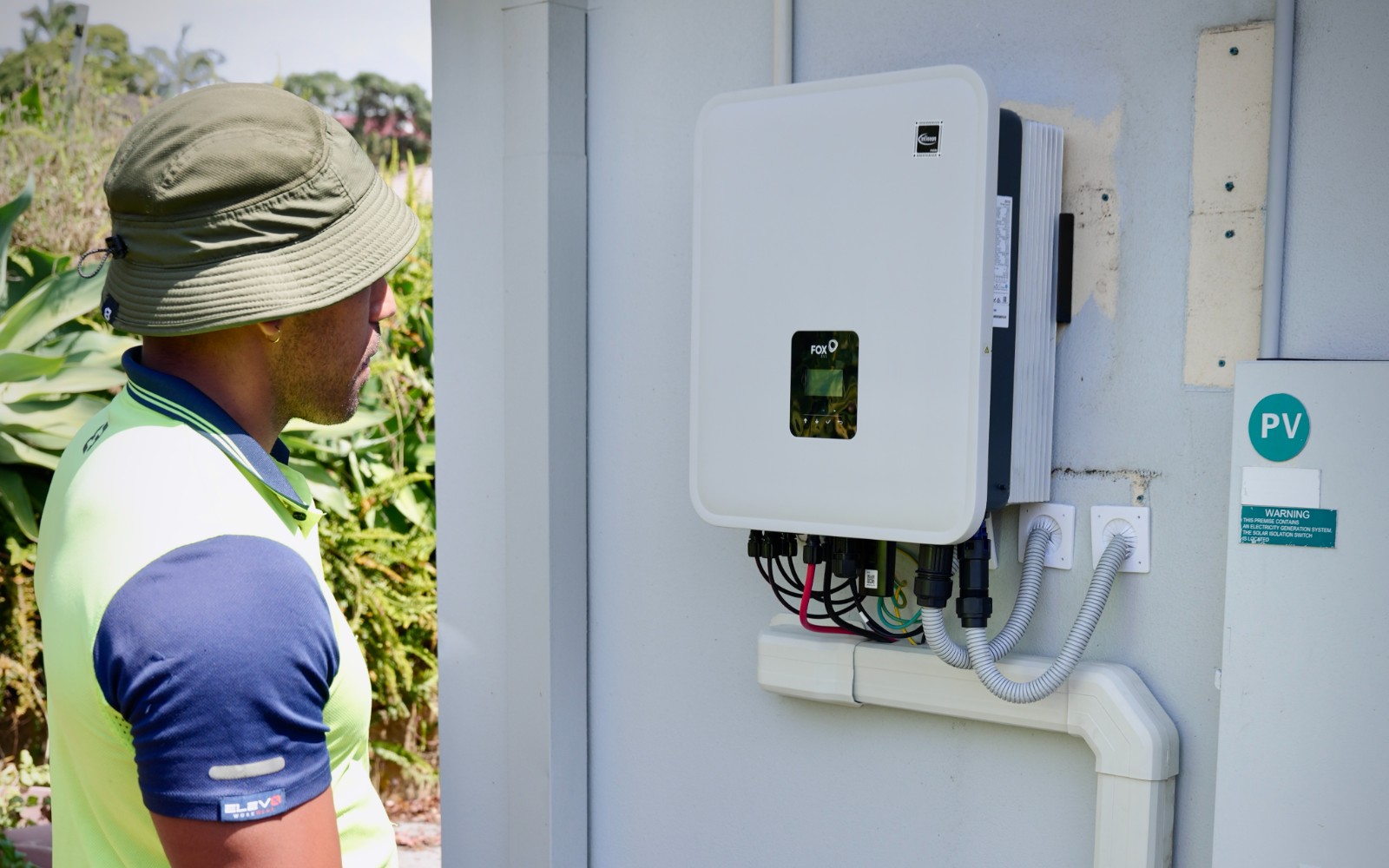
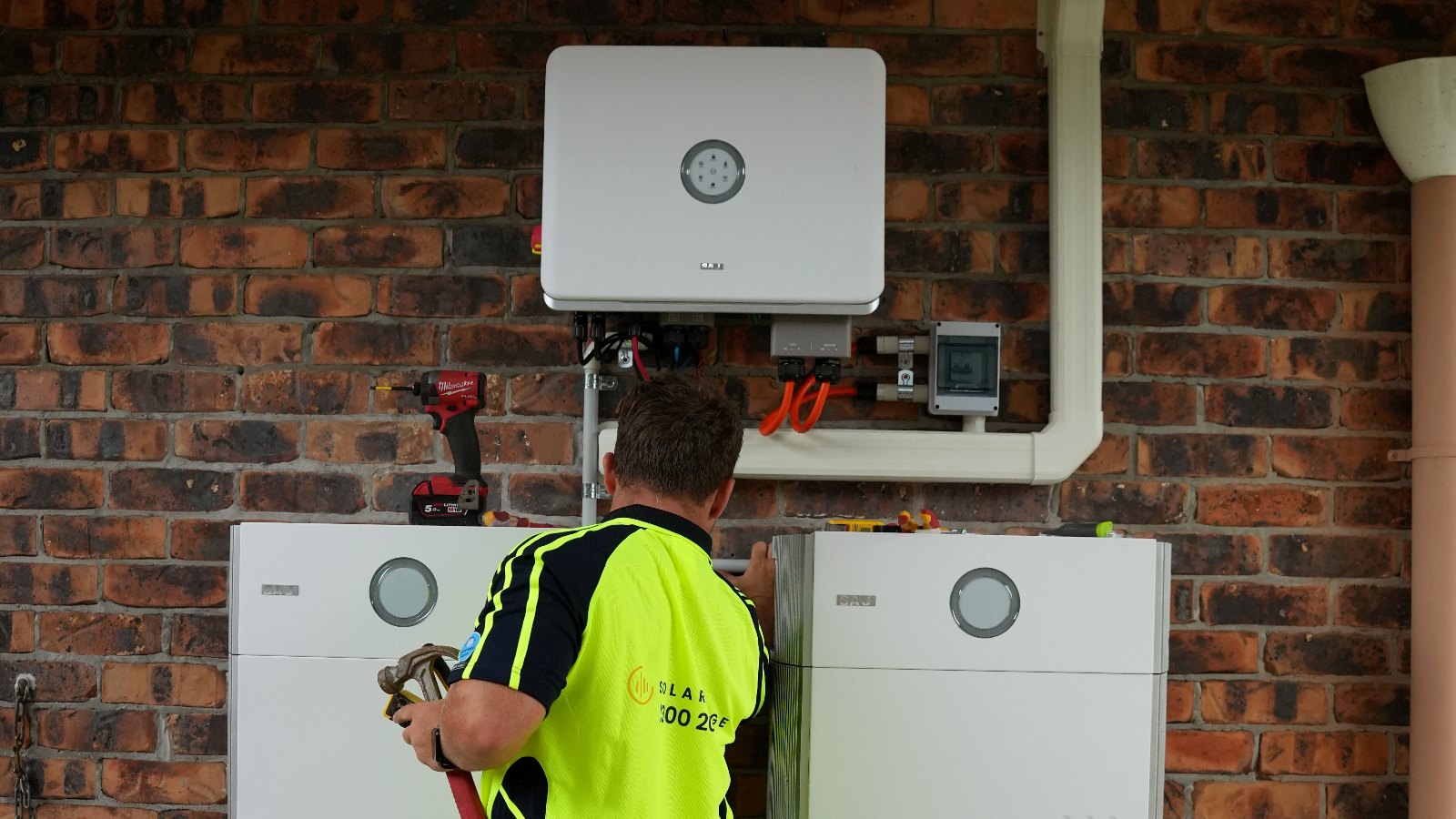
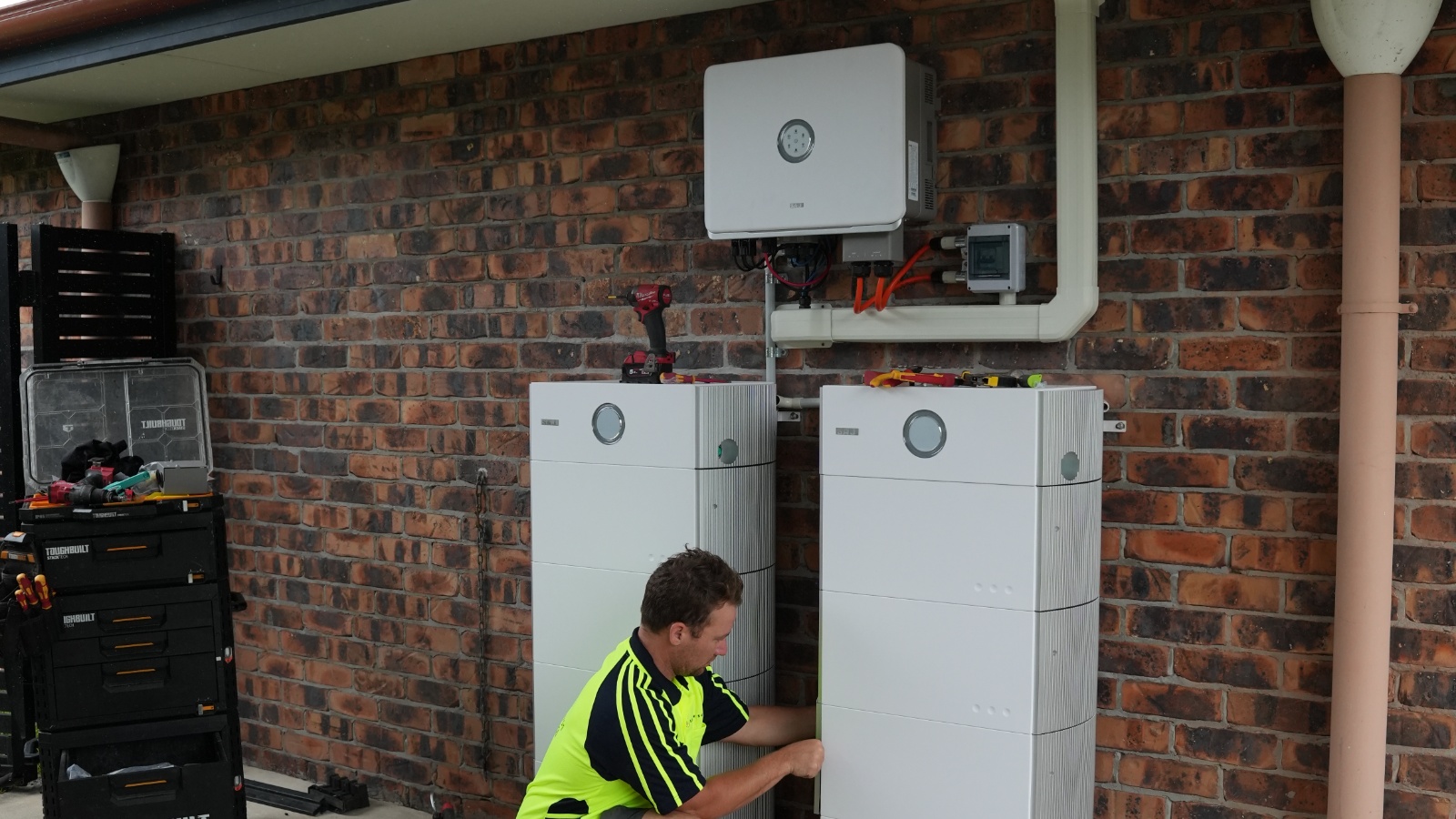
- An inverter that can run your home independently of the grid, often a hybrid inverter or a battery system with a backup gateway
- A changeover device that separates your home from the grid during an outage
- Wiring to the circuits you want powered, either selected essential circuits or the whole home
- Settings that keep some charge in reserve
If any of these are missing, a fully charged battery can sit on the wall while the house is dark.
Some batteries are installed mainly to reduce power bills, with backup left out of the design or planned for later. That isn’t necessarily wrong. The important thing is knowing which one you have.
Essential Circuits or Whole-Home Backup?
There are two common approaches.
Essential circuits
Only selected circuits stay on during a blackout. These usually include:
- Lights
- The fridge and freezer
- Wi-Fi and phone charging
- A few power points
- Medical equipment, where needed
Because the load is smaller, the stored energy generally lasts longer.
Whole-home backup
The whole switchboard is supplied, so you can keep using your home much as normal, within the limits of the battery and inverter.
The trade-off is that the battery may drain faster, and large appliances such as ducted air conditioning, ovens or pool pumps can exceed what the inverter can supply at once.
The better option depends on what you need to keep running, and for how long. A household with medical equipment or a home office may have different priorities from one that mainly wants to protect the fridge.
Two Numbers That Decide How Your Backup Performs
When the grid goes down, two limits matter.
1. Power (kW): how much can run at the same time
This is mainly set by the inverter’s backup output. Switch on too many large appliances at once and the system may overload and shut down.
2. Energy (kWh): how long it can keep going
This depends on how much charge is in the battery when the outage begins and how much electricity your home uses during it.
That’s why the same battery might keep essential circuits running overnight but struggle to run a whole house on a hot evening.
Will Your Panels Recharge the Battery During an Outage?
In a long outage, this can matter as much as battery size.
Some systems can keep using solar to power the home and recharge the battery while the grid is down. Others can’t, depending on how the solar and battery are connected.
If you’ve added a battery to an existing solar system, ask your installer whether your panels will keep working while the system is in backup mode. The answer depends on the equipment and how it was configured.
Long outages aren’t hypothetical in South East Queensland. Tropical Cyclone Alfred in March 2025 caused outages affecting around 500,000 Energex customers. Four days after it crossed the coast, more than 58,000 customers were still without supply.
During a multi-day event, being able to recharge from solar can make a real difference.
Five Things to Check Before Storm Season
If you already have a battery, these questions are worth answering now, not when the power goes out.
- Is backup actually enabled? Check your installation documents or battery app, or ask your installer.
- Which circuits are backed up? Find out whether the fridge, lights and Wi-Fi are covered. If the switchboard labels aren’t clear, ask your installer to confirm them.
- How much charge is kept in reserve? Some systems let you set a minimum backup reserve. If your battery is set to maximise savings or is enrolled in a virtual power plant (VPP), check what reserve it keeps, especially when severe weather is forecast.
- Will the solar panels keep running? Confirm whether the system can recharge during an outage.
- Is there a bypass switch? On many systems, backed-up circuits are supplied through the inverter. A bypass switch lets those circuits return to grid power if the inverter itself develops a fault.
If you’re unsure about any of these, ask your installer to explain how your system behaves during an outage. Never open your switchboard or attempt electrical work yourself.
Thinking About a Battery? Plan Backup From the Start
If you’re comparing battery options, raise backup at the design stage rather than after installation.
Useful questions include:
- Does this system support backup, and is it included in the quote?
- Will it cover essential circuits or the whole home?
- What can I run at the same time during an outage?
- Will solar recharge the battery while the grid is down?
- How quickly does it switch over?
Switchover times vary between products. Some are almost seamless; others can take several seconds or longer. That can matter for computers, internet equipment and medical devices.
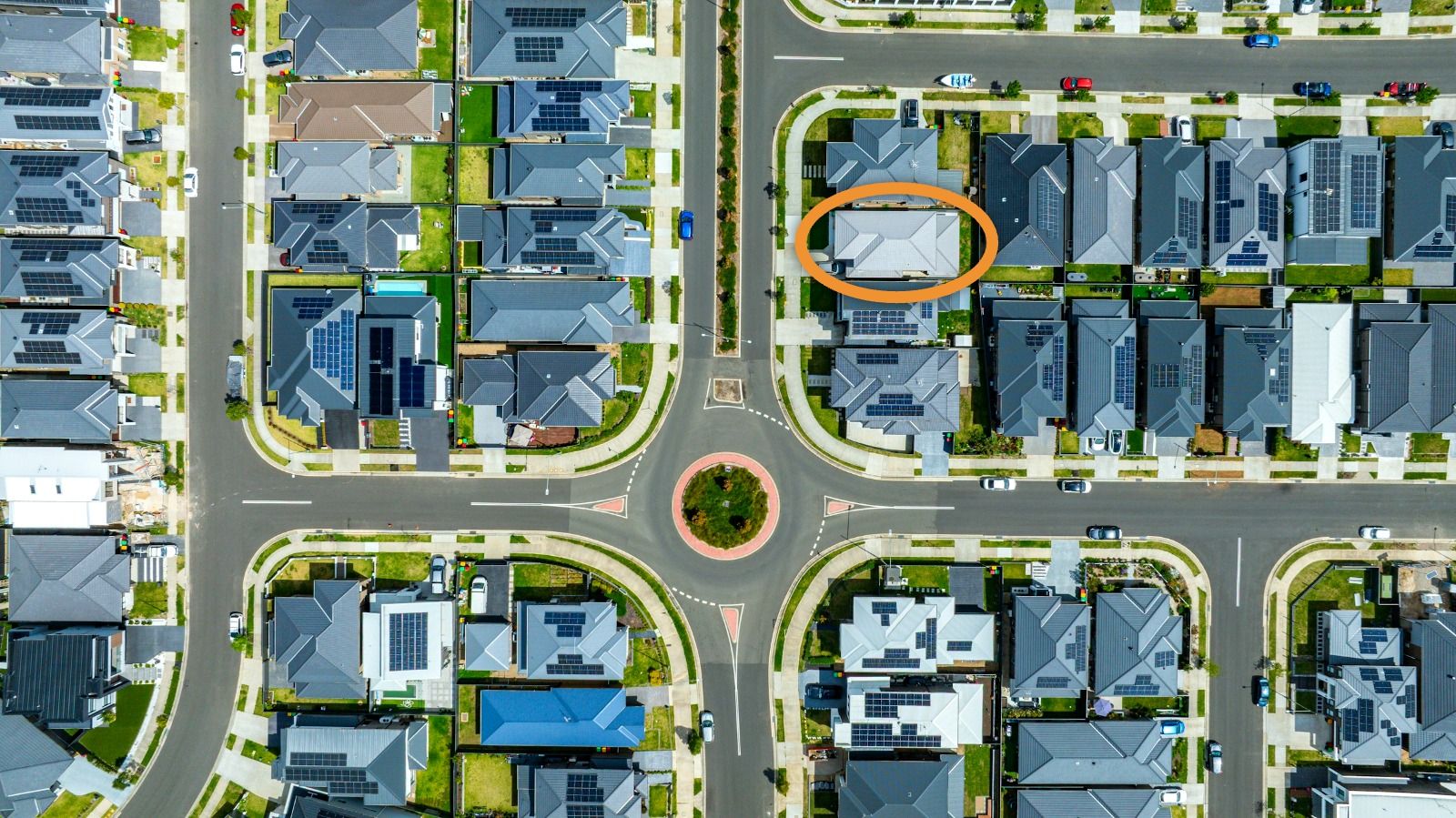
For David in Currumbin Waters, backup was part of the plan from the beginning. When a cyclone took out power in his area, his home stayed running. Read David’s story.
Every home’s needs are different. As with system sizing, the same power bill can call for a very different setup, and backup should be designed around how your household actually lives.
FAQ
Do solar panels work during a blackout?
Not on their own. Grid-connected solar inverters must switch off when the grid fails, as required by AS/NZS 4777.2. Solar can only keep supplying your home if the system is designed to run independently of the grid, usually with a battery and backup equipment.
Do all solar batteries provide blackout protection?
No. Many batteries are capable of backup, but the system also needs suitable equipment, wiring and settings. Some batteries are installed to reduce bills only, without backup configured.
How long will a battery last during a blackout?
It depends on how charged the battery is when the outage starts, how much electricity your home uses and whether solar can recharge it. Running only essential circuits generally makes stored energy last longer.
Can I add blackout protection to an existing battery?
Sometimes. It depends on your inverter, battery and switchboard. A licensed installer needs to check whether your system supports backup and what changes would be required.
Find Out What Backup Your Home Needs
Solar Surge can review your electricity use, your existing solar or battery system and the circuits that matter most to your household during an outage.
Book Your Free Energy Assessment →
When the street goes dark this summer, will you know exactly what stays on in your home?